
Highlighting Texas film history
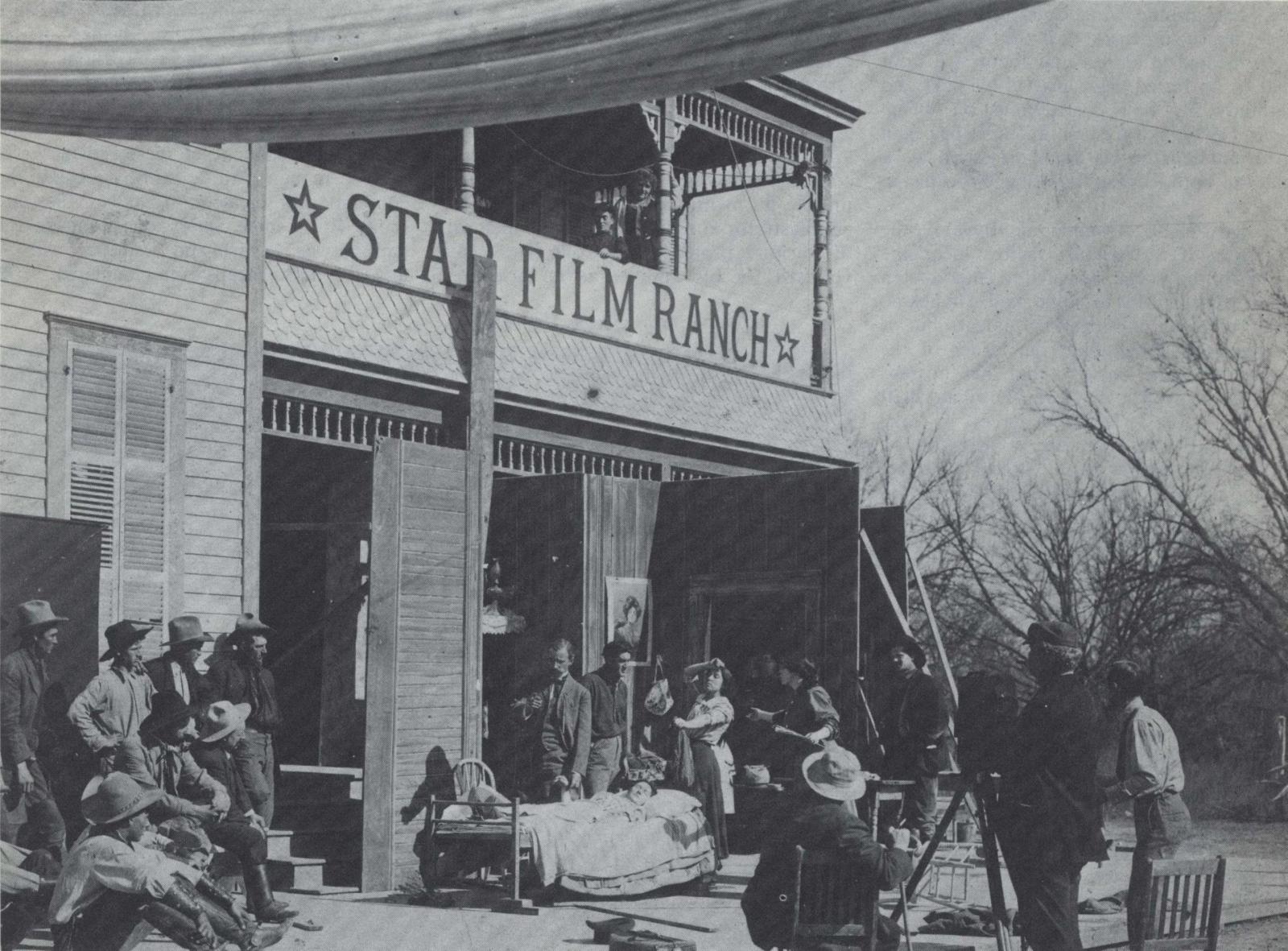
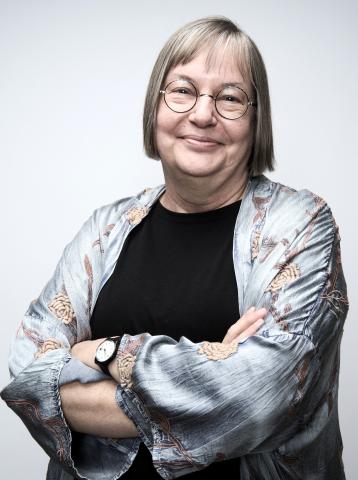
Kathy Fuller-Seeley, associate chair of Moody College of Communication’s Department of Radio-Television-Film and area head of media studies, has always been drawn to stories that history almost forgot. Her latest project takes her deep into early Texas cinema, uncovering a small San Antonio studio that produced 70 short films in just 18 months. For Fuller, these films aren’t just curiosities, they’re a window into the creativity and ambition that shaped the beginnings of the American film industry.
“These weren’t Academy Award-winning films,” Fuller-Seeley said. “But they’re fascinating because they reveal how filmmakers were experimenting with storytelling and building the foundations of a new industry.”
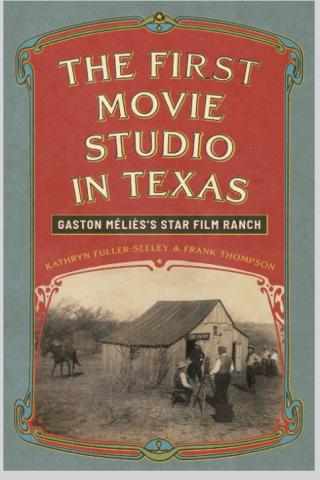
“The First Movie Studio in Texas”, co-authored with longtime film historian Frank Thompson, traces a studio far from the familiar hubs of New York and Los Angeles. Between 1910 and 1911, filmmakers in San Antonio produced half comedies and half melodramas, often set in contemporary life, experimenting with storylines, stunts and performances.
Fuller-Seeley’s research highlights the women in these films, who broke the era’s stereotypical roles. The lead actress, only 17, impressed audiences with her comedic timing, horseback riding, and active, heroic roles.
“The women in these films were riding to the rescue, outwitting bad guys, and taking center stage,” Fuller-Seeley said.
The films also feature the younger brother of John Ford, who was learning the craft in Texas before eventually becoming a Hollywood icon. Fuller-Seeley points to projects like a 15-minute depiction of the Battle of the Alamo, in which a single actor played multiple historic figures, as examples of the studio’s creativity under tight constraints.
“That project shows how creative and resourceful filmmakers had to be with limited time and resources,” Fuller-Seeley said.
Fuller-Seeley and Thompson pieced together this lost history from reviews, scrapbooks, and even an unpublished autobiography, bringing to light a chapter of cinema largely forgotten after the studio dissolved and its films were lost.
San Antonio offered more than just good weather for filming. Its bustling hotels, European influences, and cultural vibrancy made it an ideal location for Westerns and other projects, giving filmmakers room to experiment in ways New York could not.
“It’s about the people who made these films, their triumphs and challenges, and the joy of discovering a forgotten past,” Fuller-Seeley said.
The First Movie Studio in Texas offers a vivid glimpse into the ingenuity, creativity, and resilience of early filmmakers, reminding readers that history isn’t just names and dates, it’s the human stories that shaped an industry.
“History comes alive through human stories,” Fuller-Seeley said. “These filmmakers were inventing an industry, navigating challenges, and having fun doing it. That’s what makes this story worth telling.”

