Helping Texas students get out the vote
Mark Strama, the director of the Annette Strauss Institute for Civic Life at Moody College of Communication and a Department of Communication Studies professor of practice, has been committed to encouraging civic participation for decades. Before joining the UT faculty in 2023, he served five terms in the Texas House of Representatives. Earlier, he directed programs at Rock the Vote and founded the first company to let Americans fill out a voter registration form online, a tool 700,000 people used during the 2000 election cycle.
Today, he brings that experience into the classroom, where his students brainstorm ways to boost youth turnout.
"They have a lot at stake, and they have to live with the consequences of these political decisions longer than the rest of us," Strama said.
Ahead of the 2026 midterm election, The Texas Civic Vitality Report, a new report from the Annette Strauss Institute, offers a timely look at who shows up at the polls in Texas, and who doesn't. The most recent report examines voter turnout trends with a special focus on Texans under 30 and confirms a long-standing challenge for the state.
"Texas is behind the national average, substantially behind," Strama said.
According to the report, 56.8% of eligible Texans voted in the 2024 presidential election, compared to 64.3% of eligible voters nationally. Among eligible voters under 30, turnout was 42.2% in Texas and 48.5% nationwide.
To better understand how young people participate, the institute uses a metric it developed called the Voter Representation Index (VRI), which compares a group's share of eligible voters with its share of actual voters. In 2024, young Texans made up 22.6% of the state's eligible voters but only 16.9% of those who cast ballots, underperforming their share of the electorate by 25.3%. That gap was on par with young voters nationally.
However, the report also points to encouraging signs. Texans under 30 improved their turnout rate by 2.7 percentage points compared to 2020, and their VRI improved by 8.6 percentage points over the same period. Nationally, Gen Z is voting at higher rates in its first eligible elections than Millennials or Gen X did at the same age.
For Eugenia Quintanilla, the institute’s research associate and a political scientist who studies voter motivations, those gains offer an important counterpoint to Texas’ low turnout.
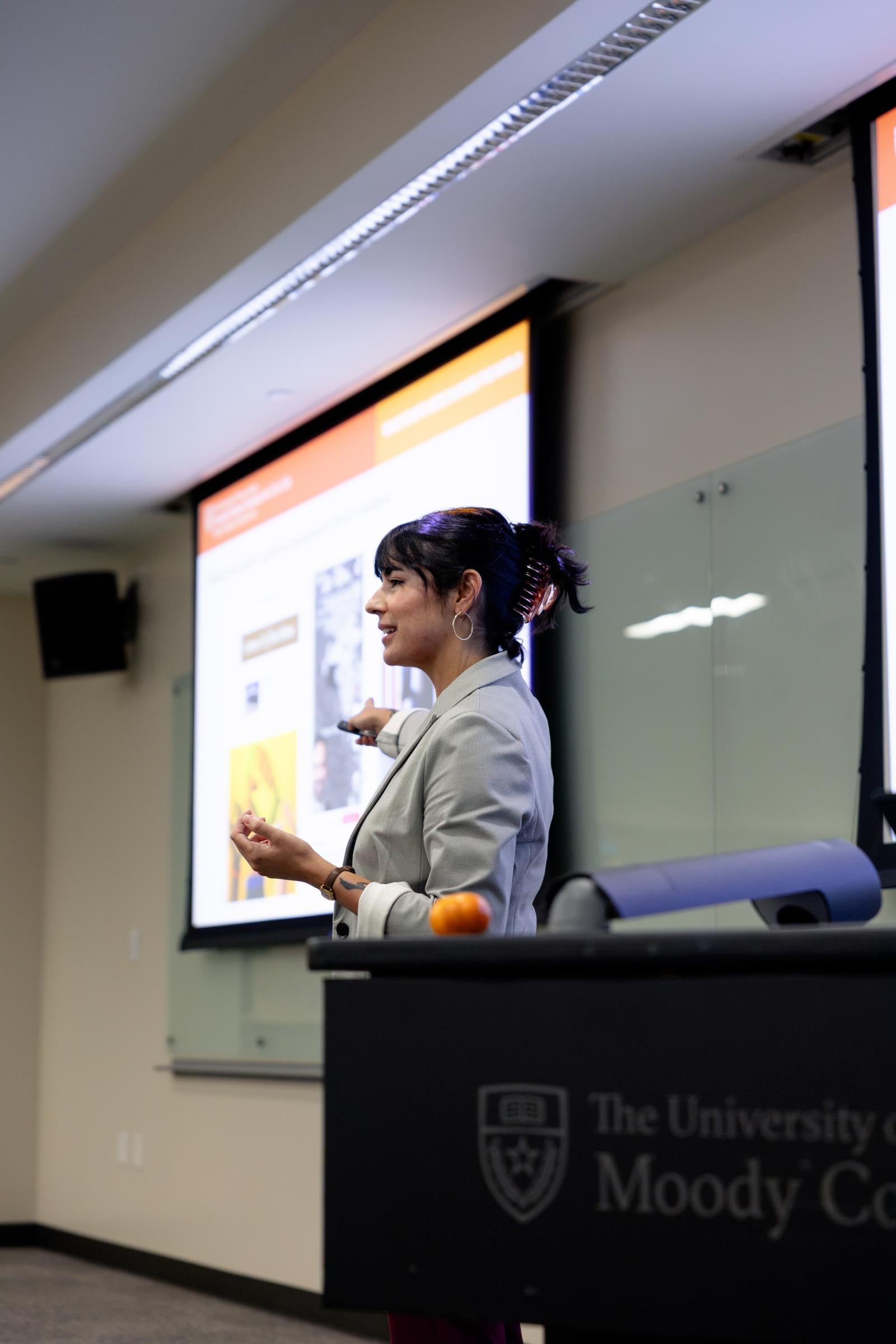
Quintanilla prepared the report with undergraduate researchers. The team used U.S. Census Bureau survey data and adjusted for respondents' tendency to over-report voting. Strama said the undergraduates did the bulk of the quantitative work, calling the project "a learning opportunity for our undergraduates."
“At first, I think it’s easy to paint a dismal story of young voters, but if you zoom out a few years, there’s a more optimistic trend,” Quintanilla said.
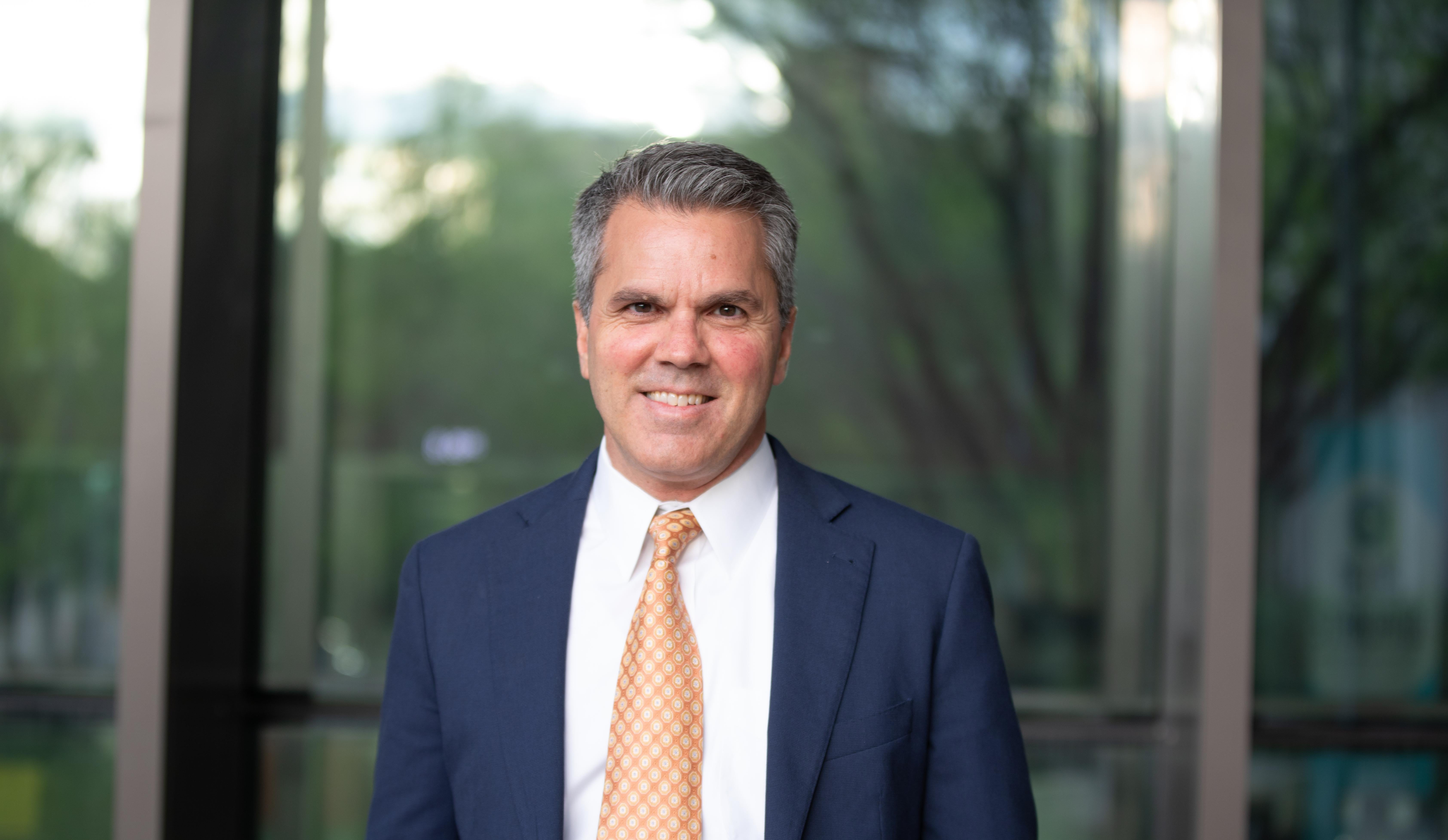
"The most important thing is to start with the idea that democracy is for everybody," Strama said. "It's not just for older people."
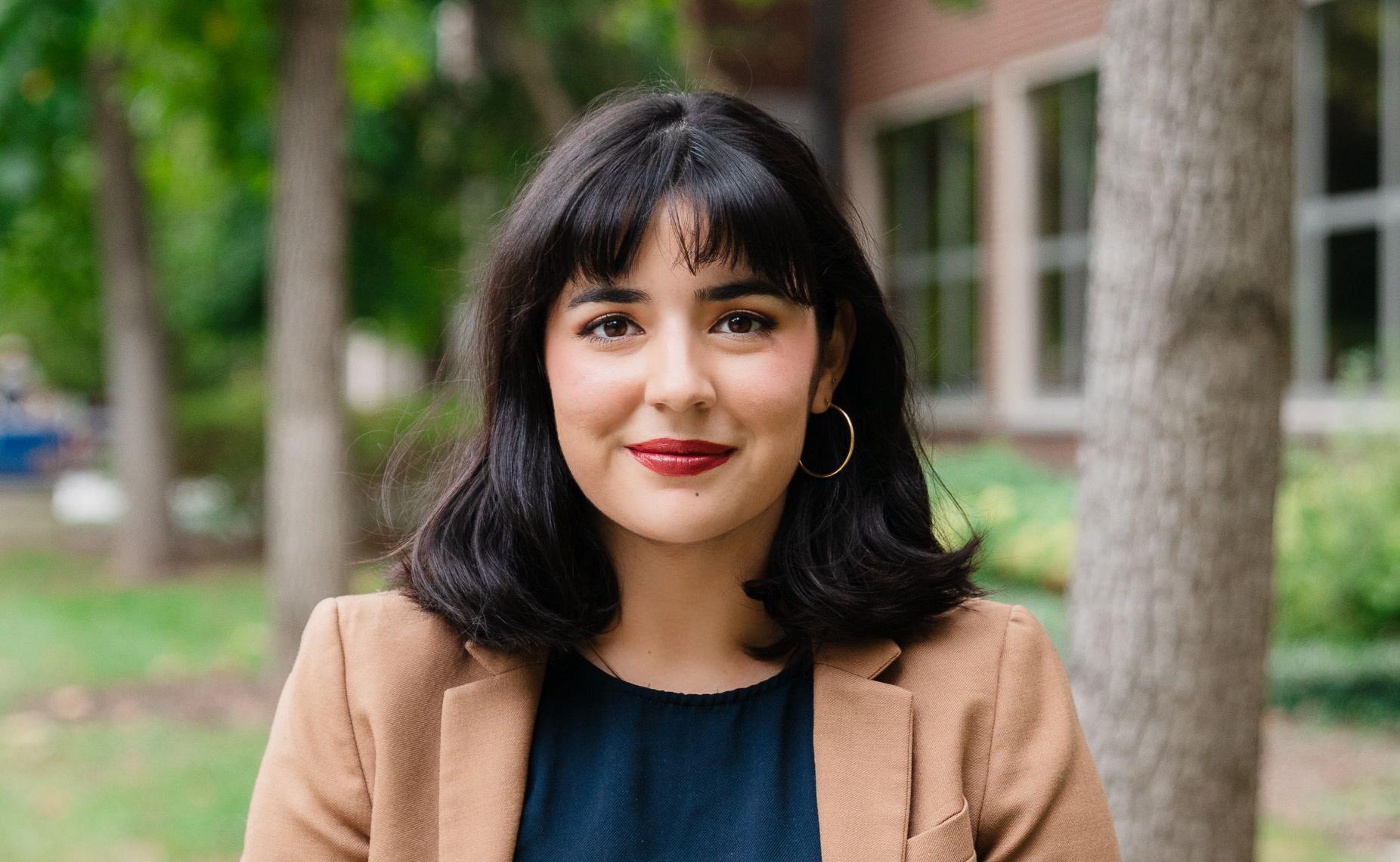
Strama agrees
"We live right now in an era of elevated voter participation," Strama said. "So young voters today are voting in larger numbers than my peers did when I was a young voter in the 1990s."
Students are also leading the institute's work on the ground. TX Votes, a nonpartisan student organization the institute incubates and funds, added 54 new volunteer deputy registrars this year. Tabling at dorm move-in, along Speedway and in classrooms, they registered more than 1,900 students in time for the election and are now focused on getting out the vote.
"I can't claim any credit for it, but I am nonetheless very proud of it," Strama said.
His advice for students who feel intimidated by the process is simple.
"The most important thing is to start with the idea that democracy is for everybody," Strama said. "It's not just for older people."
“I would say to start with something that really irritates you about your day-to-day experience,” Quintanilla said. "Your everyday experiences are meaningful evidence for places where government can better serve the public."
For Quintanilla, civic engagement can start with everyday concerns, from a cracked sidewalk to a lack of safe bike routes. She points young people toward city council meetings and local government resources as opportunities to make their voices heard.
“I would say to start with something that really irritates you about your day-to-day experience,” Quintanilla said. "Your everyday experiences are meaningful evidence for places where government can better serve the public."
Strama also encourages young people to see voting as part of a deeper commitment to citizenship, including staying informed and thinking critically about their news sources.
"A little bit of doubt about the sources from which you're getting your information is a healthy way to approach news gathering," he said.
Registered voters can cast their vote on Election Day on Nov. 3. Students can join the Annette Strauss Institute during “Pizza & Politics,” a midterm election watch party, from 7 p.m. – 12 a.m. in the DMC 2.106.
Those interested can view the full Texas Civic Vitality Report and interactive dashboard on the institute’s website.