
Why we should slow down in 2026
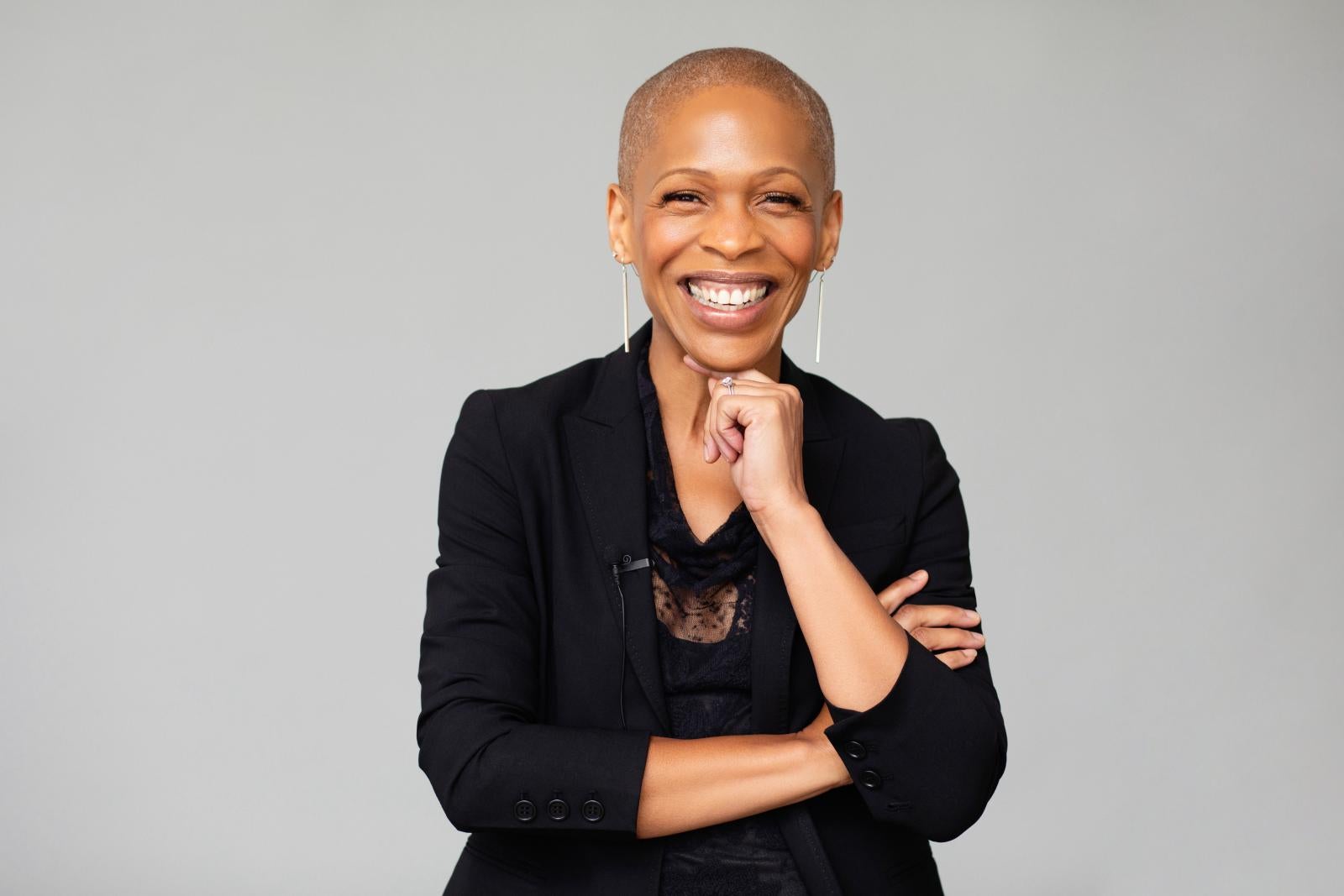
The pressure to move faster rarely announces itself. It slips into unread emails, half-listened to conversations and the constant urge to check the next task off a list. Speed promises efficiency, yet it often leaves people feeling disconnected, exhausted and behind. That constant rush, Dawna Ballard argues, rarely produces clarity or connection. Instead, it erodes both.
Ballard, an associate professor of organizational communication and technology at Moody College of Communication, explores that question in her new book, “Time by Design.” Drawing on years of research, the book challenges traditional productivity culture by reframing time as something people actively shape through communication. Rather than treating speed as efficiency, Ballard argues that intentional, slower communication often helps teams and individuals work more effectively over time.
“Time by Design” centers on two competing communication logics, fast and slow. Fast communication prioritizes immediacy and transaction, while slow communication emphasizes relationships, alignment and long-term outcomes.
“Fast communication looks at one frame of interaction, what do I need right now,” Ballard said. “Time feels linear, like spending time with someone automatically takes time away from something else.”
That mindset, Ballard explained, encourages people to rush conversations, skip connection and move quickly to the next task. Slow communication approaches time differently, recognizing that relationships compound value rather than consume it.
“That time spent with someone can lead to a long-term relationship,” Ballard said. “Over time, that relationship helps you move faster.”
Ballard wrote “Time by Design” to unpack how teams, organizations and individuals communicate slow to go fast. Small moments of real connection, she said, often prevent confusion, conflict and inefficiency later.
Slow communication often suffers from misunderstanding in a culture built around immediacy. Many people assume slowing down automatically wastes time.
“There’s this belief that going slow takes more time,” Ballard said. “Slow doesn’t mean longer. It means starting differently.”
Those different beginnings often appear subtle, Ballard said, such as asking about someone’s week before discussing tasks or offering nonverbal support during a conversation. Those moments build trust and shared understanding, reducing friction later.
Writing the book reshaped Ballard’s own relationship with time, especially as she reflected on how often people receive similar advice throughout life.
“I see examples of slow communication everywhere now,” Ballard said. “From childhood, people hear that you should slow down in order to move forward.”
That realization surprised her not because it introduced something new, but because it revealed how deeply embedded the idea already felt. Ballard says that the classic tale of the tortoise and the hare illustrate this point perfectly.
“That truth felt ancient,” Ballard said. “Writing the book helped me notice it.”
For college students, Ballard emphasized a rare opportunity to practice designing time intentionally. She pointed to the autonomy students hold over their schedules, habits and communication patterns.
“You will never have another opportunity to go at your own pace,” Ballard said. “You have so much agency over how your days unfold.”
Ballard encouraged students to view college as a foundation for how they approach time, communication and work long after graduation.
“If you go fast all the time, there won’t ever be a chance to slow down,” Ballard said. “Fast becomes addictive because there’s always something next.”
Through “Time by Design,” Ballard invites readers to reconsider productivity not as a race, but as a practice shaped through communication choices. Slowing down, she argues, offers more than efficiency. It creates space for clarity, connection and work that endures.

