
The power of place
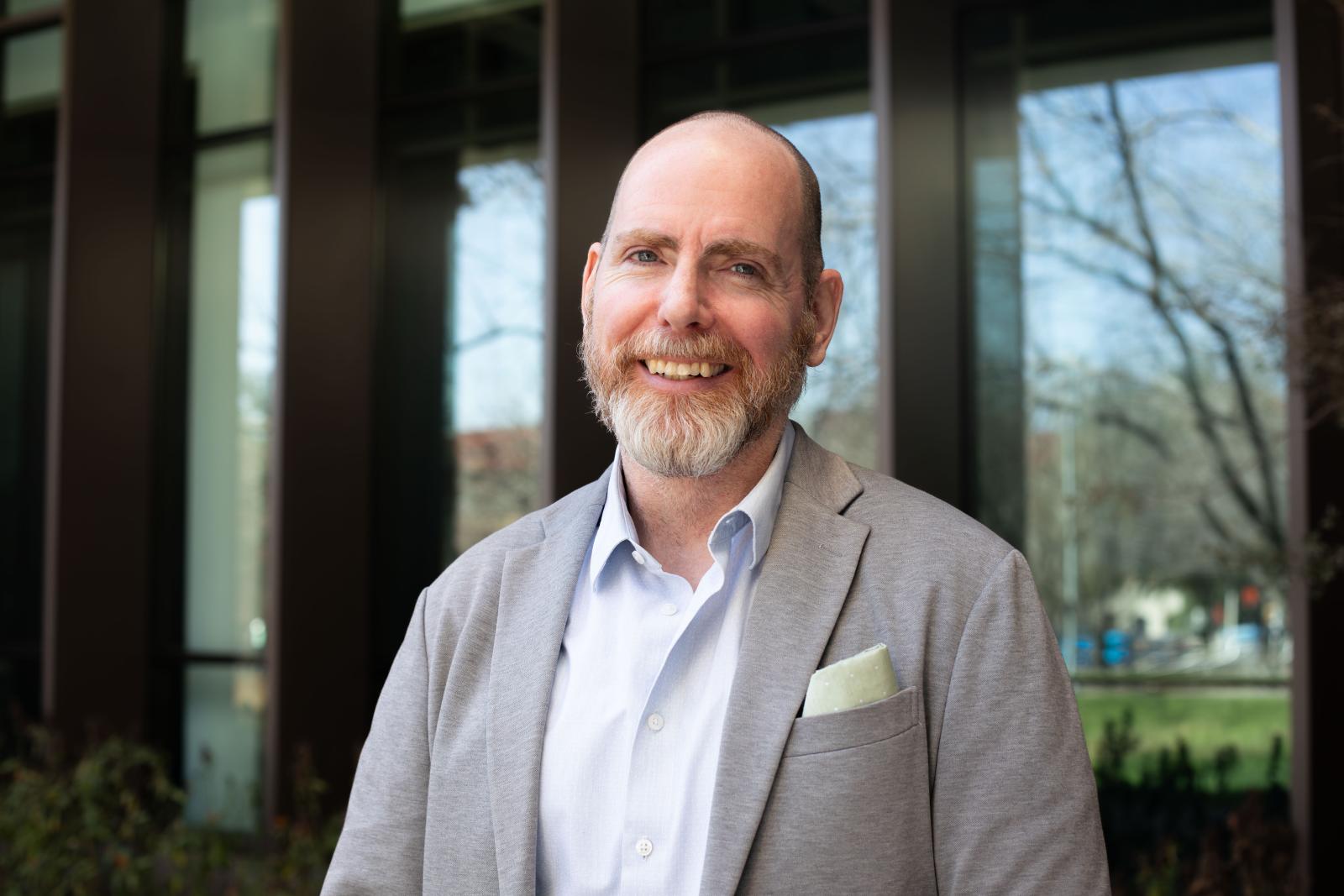
When it comes to knowing how Texas communities respond to health-specific messaging, Brad Love, associate professor in Moody College of Communication’s Stan Richards School of Advertising and Public Relations, may not have written the book, but he most likely wrote the article.
Love, whose work often informs Moody College’s Center for Health Communication (CHC), is the lead author and principal investigator on several research articles focused on health initiatives that take a community-based approach. One of those is Be Well CommunitiesTM, The University of Texas MD Anderson Cancer Center's place-based strategy for comprehensive cancer prevention and control.
“Be Well Communities aims to stop cancer before it starts,” Love said. “The Be Well Communities team helps collaborating organizations set up the structure for their campaign, but the communities ultimately choose the prevention messages they want to emphasize.”
The initiative focuses on five key areas: healthy eating, active living, sun safety, tobacco-free living, and preventive care. Through strong community partnerships, residents in Baytown, Beaumont and Houston’s Acres Homes neighborhood are already seeing the benefits.
The CHC begins its work on Be Well Communities by listening and collaborating directly with local leaders, schools and community organizations to understand what makes each area unique and what challenges they face. These insights guide the development of tailored communication strategies designed to address modifiable cancer risk factors. The result: messages and branding that resonate with residents and are delivered through trusted local channels, including social media, town halls and posters for schools and clinics.
“For each program, we handle the copywriting, visuals, physical signage, student handouts, even editorial content for local newspapers,” Love said, recognizing how much work may go into one community. “Within the CHC, we have a mix of full-time and part-time staff contributing. But our main goal is capacity building. We want to empower communities to become their own health communication teams so that eventually, they won’t need us. They have clear brand guidelines, every website is designed to be plug-and-play, we try to make it as easy as possible for them.”
Lauren Kriss, the CHC’s senior program coordinator and copywriter, feels a personal connection to the work. As a native Texan, she says being able to help Texas communities through her work is a dream job.
“I’m from Austin, born and raised. I left graduate school early to take this job because it’s rare to find work that lets you do what you love, while serving your home state,” Kriss said. “I care a lot about helping Texans, and it’s incredibly rewarding to work with so many Texas communities.
Kriss and her team help develop and manage the core messaging for Be Well Communities working closely with MD Anderson’s core team, including Communication Manager Martha Vieco-Garcia and Director Haley Gardiner.
“We make sure content reflects each community’s goal,” Kriss said. “We always emphasize the benefits of adopting healthier behaviors, so our messaging stays positive. For example, if you do this thing, here is the positive outcome.”
Kriss noted that while core messaging is consistent across Be Well Communities implementation sites, they invite collaboration from each community to shape unique materials.
“Local leaders tell us what they think will work best,” Kriss said.
To date, more than 80 local, regional and state organizations are involved in Be Well Communities steering committees. Love hopes that these place-based investments in overall health will ultimately expand across Texas.
Those interested in learning more about CHC’s support for Be Well Communities can visit the CHC’s website.

